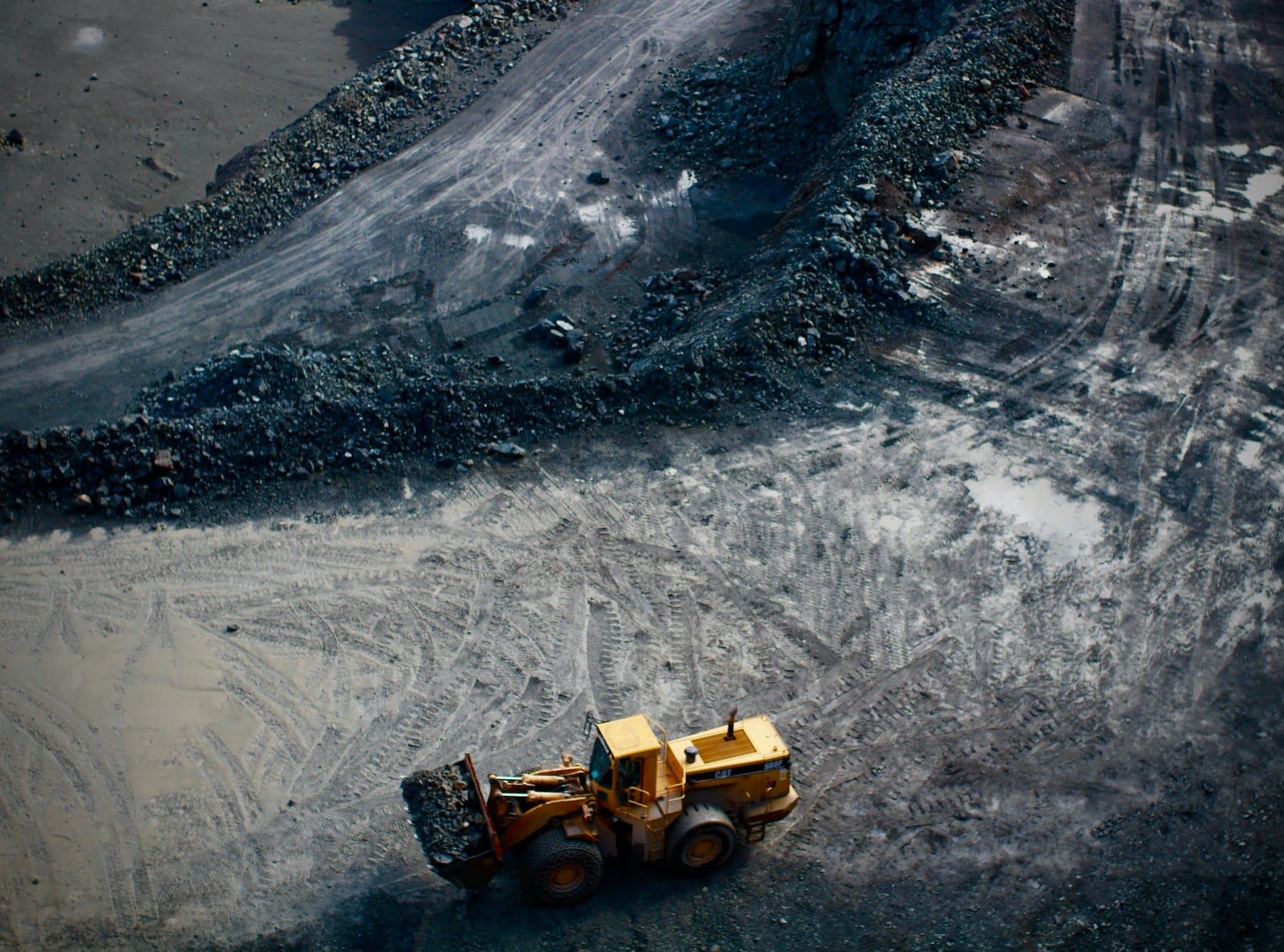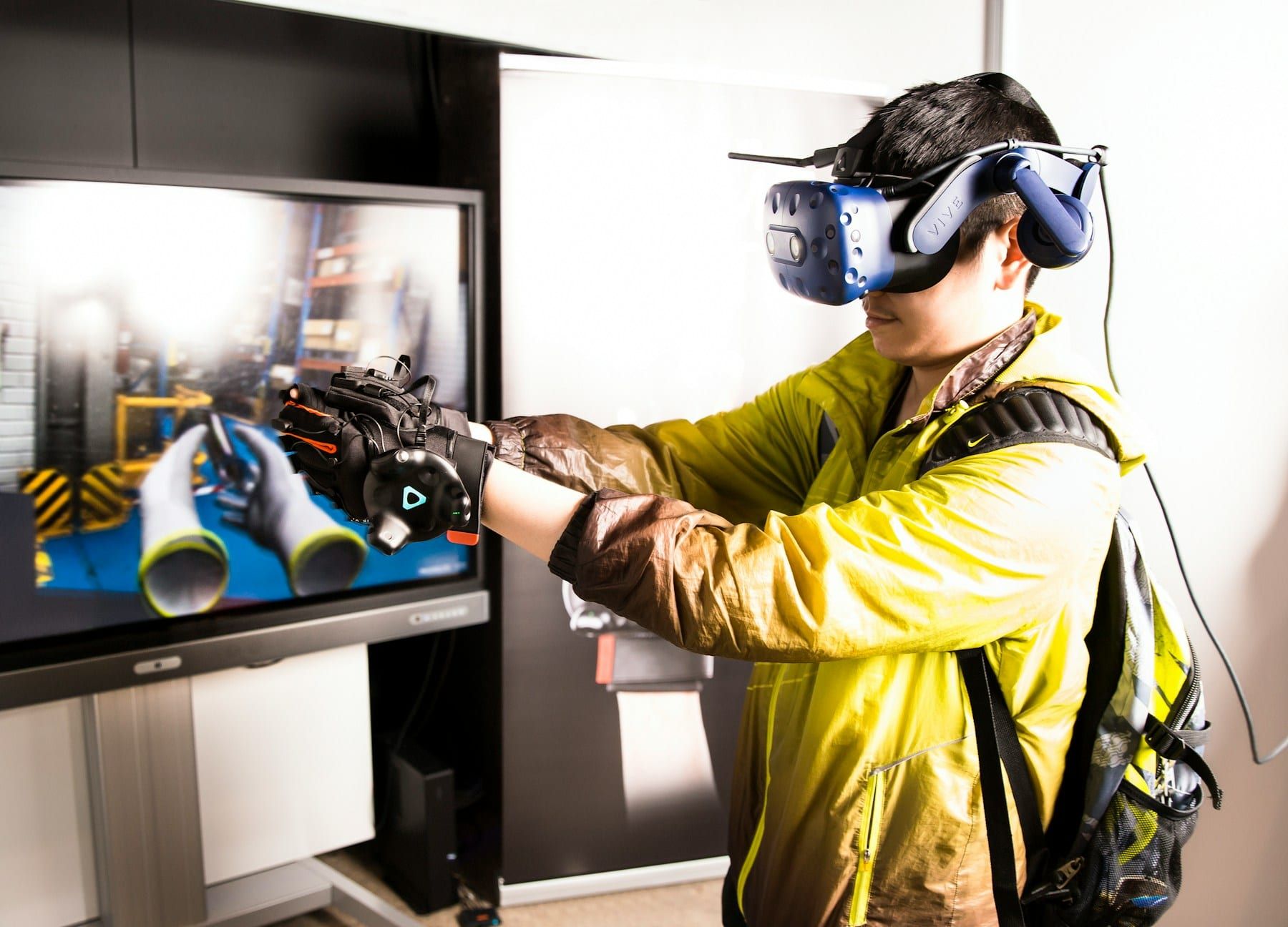
Some of the most important tasks on a mine site are the hardest to practise. Isolations, confined-space entry, emergency response and working near mobile plant carry real risk, so crews often rehearse them in a classroom that looks nothing like the site. Virtual reality closes that gap.
What VR adds
A well-built VR scenario puts a trainee inside a realistic model of their own site and equipment. They carry out the task step by step, make decisions under time pressure and see the consequences of mistakes without anyone being hurt. Because every action is recorded, instructors can see exactly where a trainee hesitated or deviated from the procedure.
Where it fits
VR does not replace field training or supervision. It works best:
- Before a trainee first does a high-risk task for real, so their first attempt is not their first exposure.
- For rare events, such as emergencies, that crews may never practise on site.
- For refreshers, where experienced workers need to rehearse a changed procedure quickly.
Australia’s model Work Health and Safety laws, and the equivalent duties in Victoria’s Occupational Health and Safety Act 2004, require businesses to provide the information, training, instruction and supervision needed to protect workers. VR is one way to make that training more realistic and more measurable.
What a good program looks like
- Scenario design from your procedures. Scenarios should mirror the site’s own documented steps, hazards and equipment, not a generic example.
- Clear pass criteria. Every scenario has defined critical steps, so assessment is consistent between trainees and instructors.
- Instructor debrief. The recording is reviewed with the trainee, turning mistakes into learning.
- Records that count. Results flow into the site’s competency system so they support audits.
Getting started
Start with one high-risk task that is hard to practise and has a clear procedure. Build the scenario with the people who do the work, run it with a small group, and compare their field performance with those trained the usual way. Expand only once the scenario has proved its value.
Sources: Safe Work Australia, model Work Health and Safety laws (safeworkaustralia.gov.au); WorkSafe Victoria, Occupational Health and Safety Act 2004 (worksafe.vic.gov.au).