Skip to content
Talk to an engineer +61 414 955 631

AI & Digital

AI & machine learning for mining

We turn the data your operation already produces into earlier warnings, better resource models, safer sites and crews trained before they set foot on site.

AI & Digital

Engineering first, then algorithms

Most AI projects in mining stall because they start with a tool rather than a problem. Ours start with an engineer who knows the asset, the ore body or the procedure, and a clear decision the model must improve.

We build on the systems you already run, keep a qualified engineer accountable for every recommendation, and hand over models your team can operate and audit.

  • Your data stays yours

    Models can run in your own cloud tenancy or on site. We agree data handling before any data moves.

  • Engineer in the loop

    Safety alerts go straight to supervisors; engineering and geological recommendations are reviewed by a qualified engineer or geologist before they are acted on.

  • Built on what you have

    We connect to existing historians, fleet systems, CMMS and geological databases rather than replacing them.

Architecture

The data architecture we design for your operation

A high-level view of the data flow we design for mining clients. Each deployment is tailored to the systems already on site.

  1. Data sources

    • Fleet and plant sensors (SCADA, IoT)
    • Drill-hole, assay and geophysics data
    • Fixed cameras and drone surveys
    • Maintenance and operator records
  2. Edge and ingestion

    • Site gateways
    • Validation and cleansing
    • Secure, encrypted transfer
  3. Data platform

    • Engineering data lake
    • Geospatial store
    • Feature store
  4. Models

    • Predictive maintenance
    • Ore and grade modelling
    • Computer-vision safety
    • VR scenario engine
  5. Outcomes

    • Alerts and dashboards
    • Resource model inputs
    • Safety interventions
    • Trained, assessed crews
Engineer in the loop: reviewed outcomes retrain the models

Capabilities

Four ways we apply AI on site

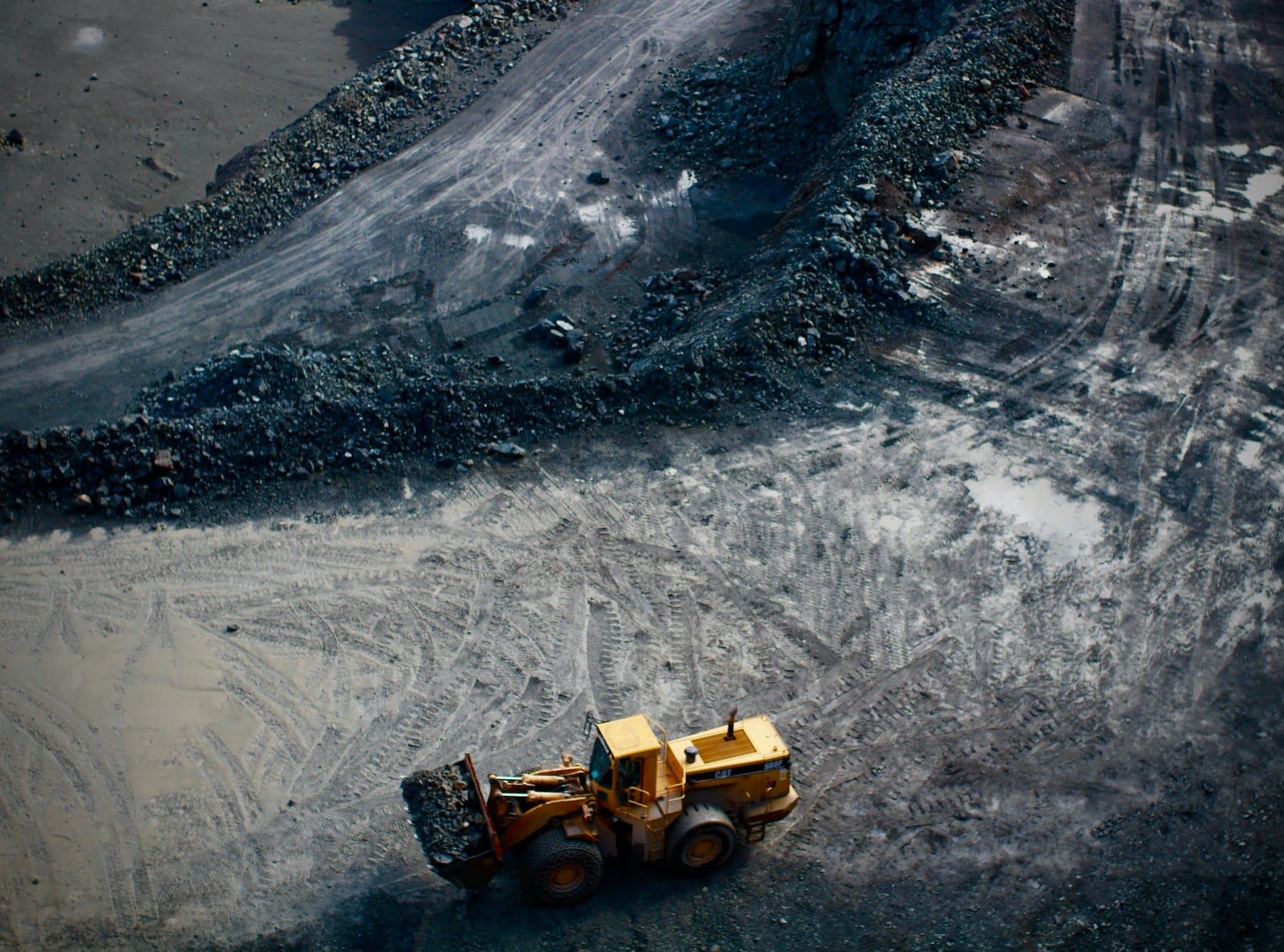
Loader working on a mine haul road seen from above
01

Predictive maintenance

The challenge
Unplanned failures of haul trucks, conveyors, crushers and pumps stop production and create safety risk.
How we do it
We combine vibration, temperature, oil-analysis and operating data with maintenance history to train models that estimate each asset’s condition and likely time to failure.
What you receive
  • Ranked asset risk list, refreshed continuously
  • Alerts routed into your maintenance system
  • Model documentation and validation report
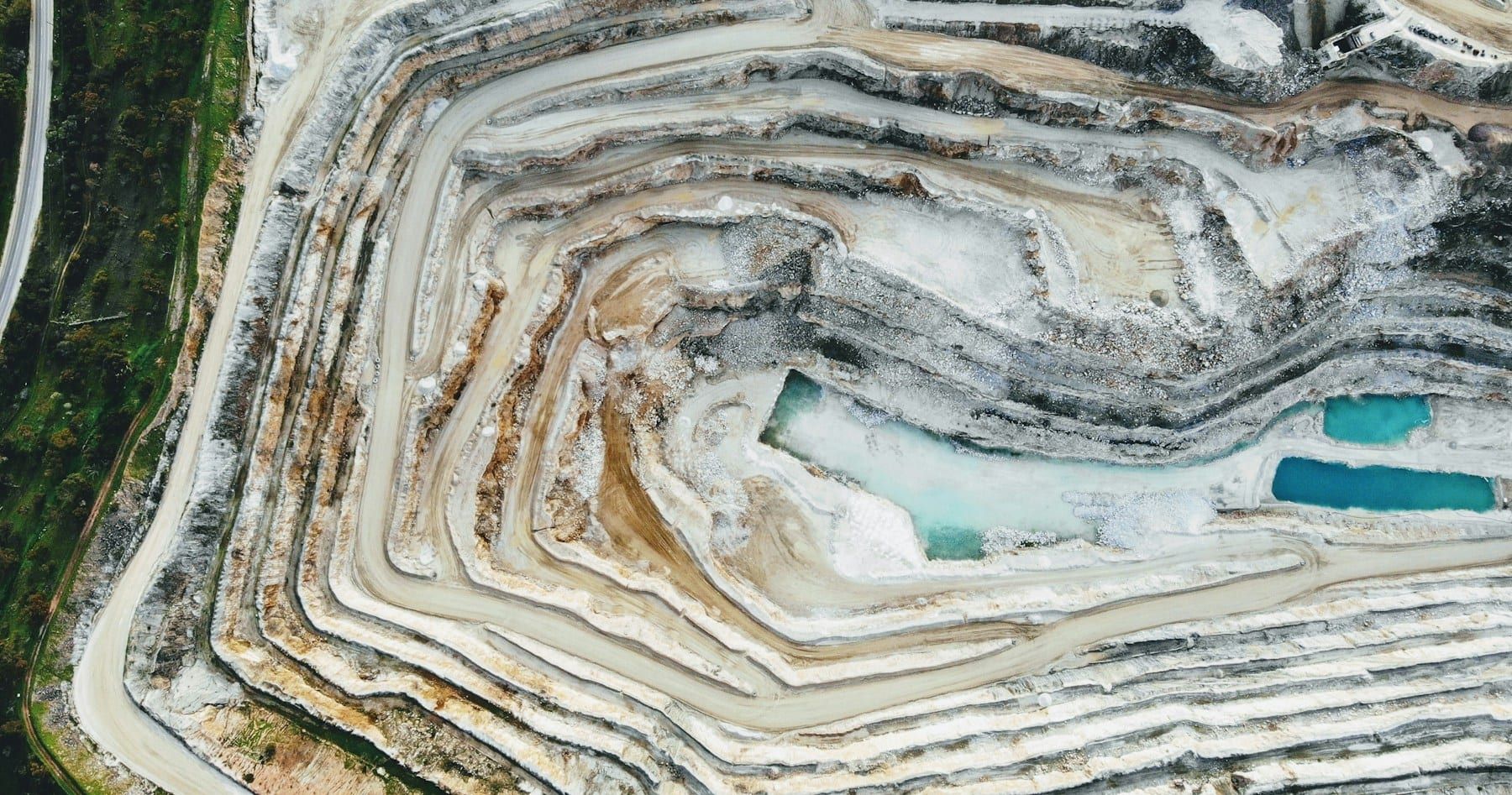
Aerial view of a terraced open-pit mine
02

Geology and ore modelling

The challenge
Resource models built from sparse drilling carry uncertainty that flows straight into mine plans and grade control.
How we do it
Machine-learning-assisted domaining and grade estimation run alongside conventional geostatistics, with uncertainty quantified and every result reviewed by our geologists.
What you receive
  • Block-model inputs and domain boundaries
  • Uncertainty and confidence maps
  • Validation report prepared to support Competent Person review
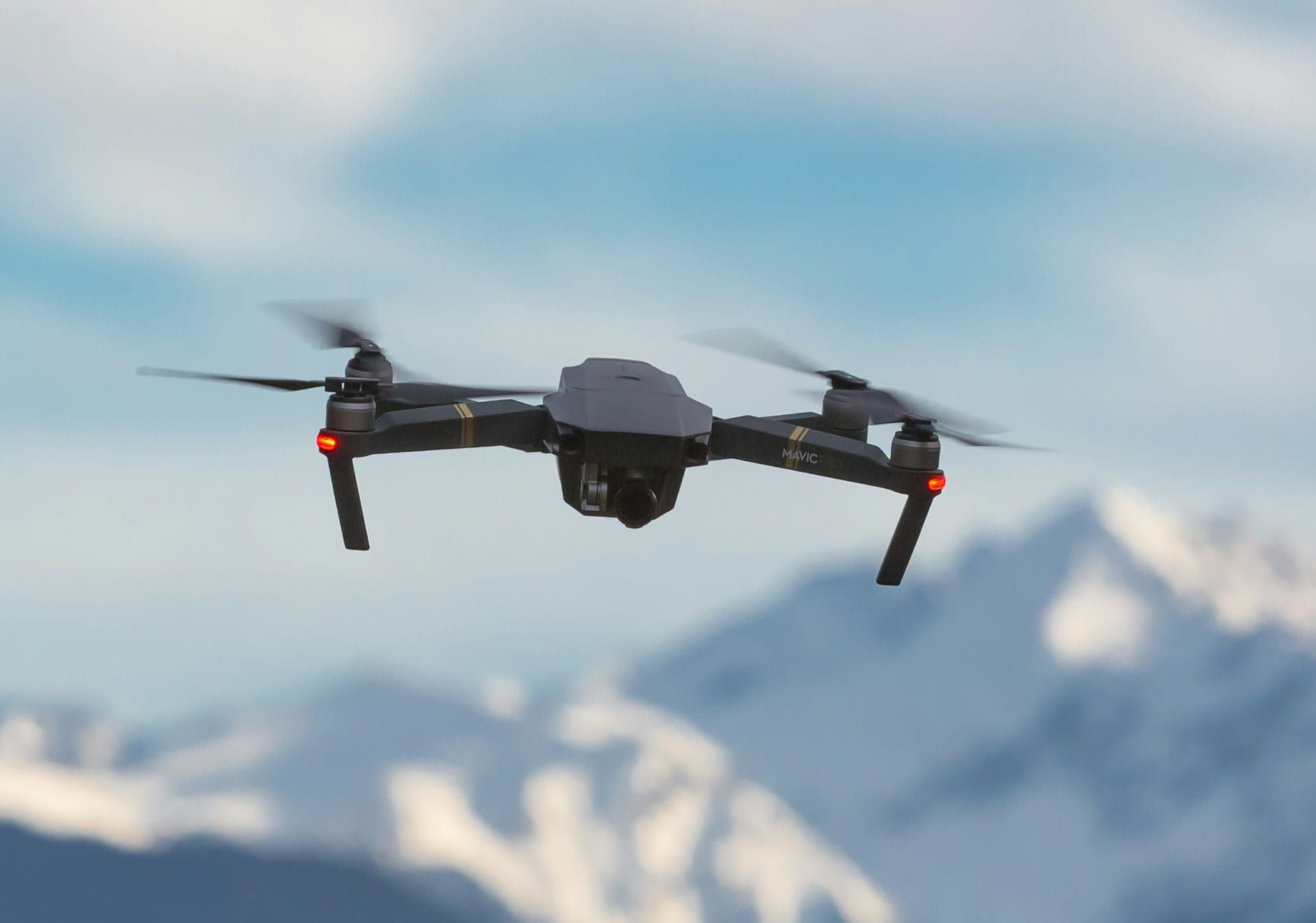
Survey drone in flight
03

Safety and computer vision

The challenge
People and heavy equipment share the same ground, and slopes and tailings dams change between inspections.
How we do it
Models running on fixed cameras and drone surveys detect exclusion-zone breaches and missing PPE, and track surface movement on slopes and tailings dams over time.
What you receive
  • Real-time alerts to supervisors
  • Change-detection maps from drone surveys
  • Auditable event log, designed with privacy in mind
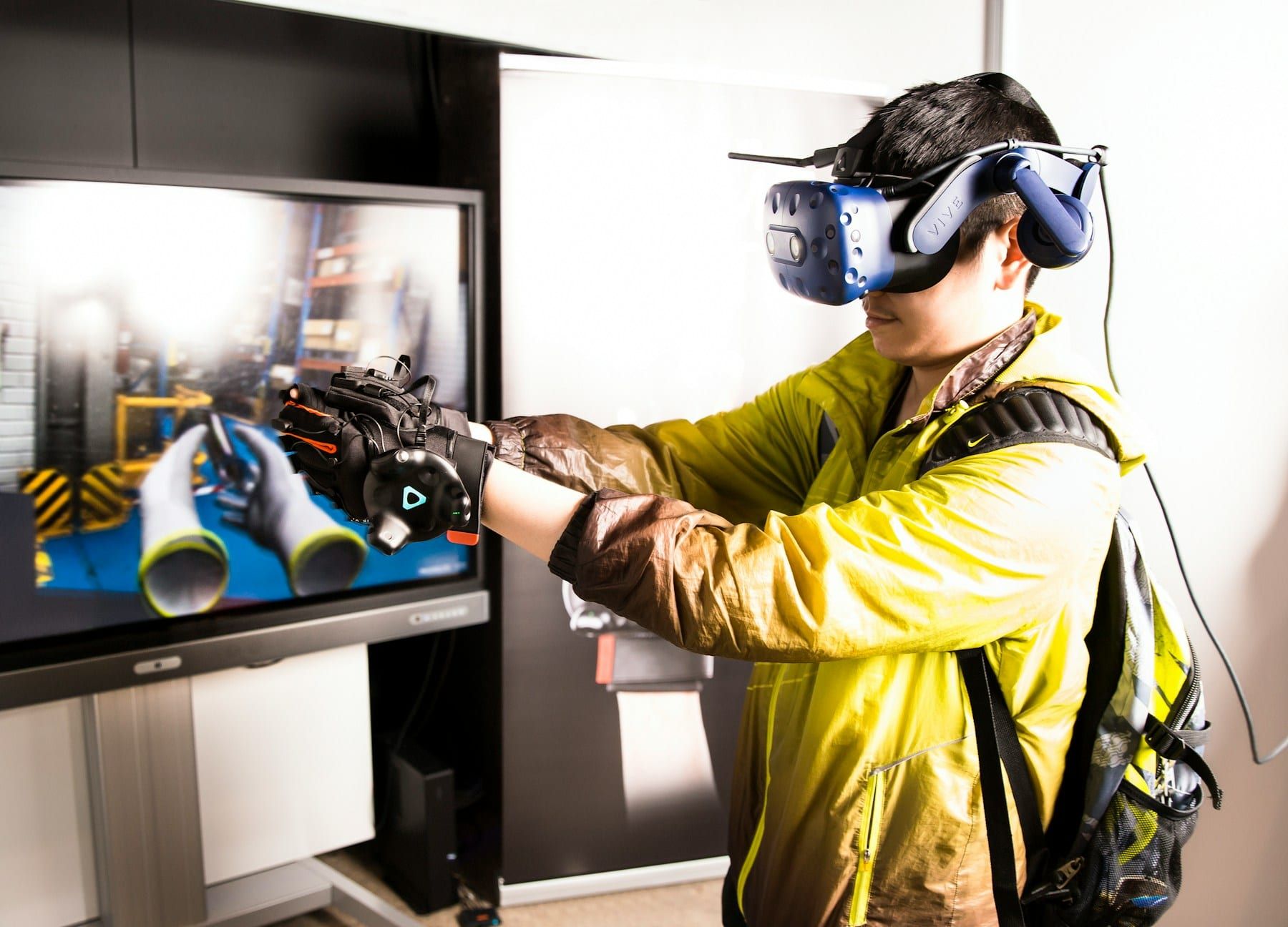
Worker in a high-visibility jacket using a virtual-reality headset
04

VR and immersive training

The challenge
High-risk tasks are hard to practise safely, and classroom training rarely matches site conditions.
How we do it
We build virtual-reality scenarios from your own procedures and equipment so crews rehearse critical tasks and emergencies before doing them for real.
What you receive
  • Site-specific VR scenarios
  • Assessment results per participant
  • Competency records for your training system

VR training

From procedure to headset

  1. 01

    Scenario design

    We turn your procedures, equipment and hazards into a scripted scenario with clear pass criteria.

  2. 02

    Headset session

    Crews complete the scenario on site or in our Melbourne and Perth training rooms.

  3. 03

    Assessment

    Every decision is recorded and assessed against the procedure, with instructor debrief.

  4. 04

    Competency record

    Results flow into your competency system, ready for audit.

Digital and AI courses

Full training calendar
  • 1 day

    AI for Managers & Decision Makers

    Digital & AIVirtualWorldwide
    Enquire
  • 2 days

    Digital Oilfield & AI Applications in Production

    Digital & AIVirtualWorldwide
    Enquire
  • 2 days

    AI for Managers & Decision Makers

    Digital & AIVirtualWorldwide
    Enquire

Questions about AI projects

Do we need a data platform before we start?

No. We begin with an assessment of the data you already have and recommend the smallest platform that supports the first use case.

Where does our data live?

By default in your own cloud tenancy or on site. We agree data handling, access and retention with you before any data moves.

How do you start?

With a pilot on one asset class, area or procedure, and success criteria agreed up front. We only scale once the pilot meets them.

Will this replace our engineers?

No. Models flag issues and quantify uncertainty; qualified people make the decisions and stay accountable for them.

Start with one problem worth solving

Tell us about the asset, ore body or procedure. We will tell you whether AI can help and what the first step looks like.